

Animal Care


Photos By Hannah Haefele
Day in the Life of Molly Shea
Molly starts her day early. She prepares the food for all the hoofstock animals living in the largest pasture at Fossil Rim. There are several different species that live here.
Molly feeds the Sable Antelope first because they are the most dominant animal in the pasture. In other words, they will take anyone's food.
Then she feeds the Gemsbok, the second most prevalent. The Gemsbok were in a separate space because they need different food or medicine.
Then the Addax, Arabian Oryx, Fallow Deer, and White-Tailed Deer eat together on one road. Molly puts all the food onto the roads in a line so lots of animals can eat at the same time.
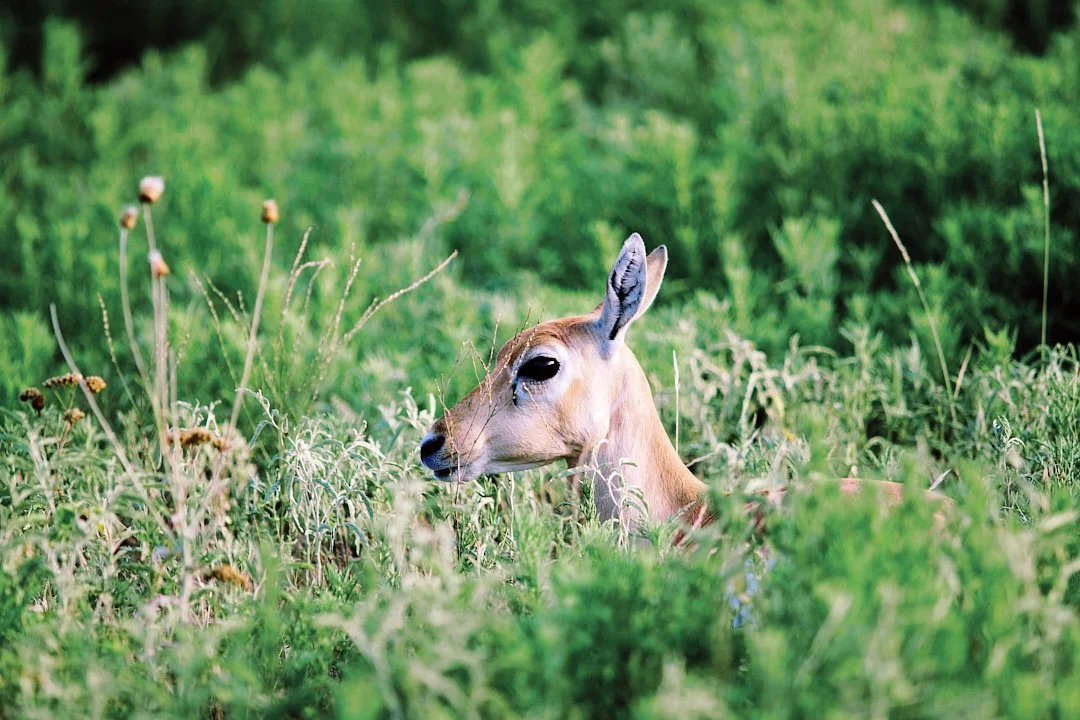
Next is the Waterbuck. They are in the same pasture as the other animals. She has to find them as they can be quite shy and won’t get as much food otherwise.
Arabian Oryx Photo by Fossil Rim

Fallow Deer Photo by Fossil Rim

Adult Female Waterbuck Photo by Hannah Haefele

Baby Waterbuck Photo by Hannah Haefele

Red Deer on the Feeding Line Photo by Hannah Haefele
Senior Hoofstock Animal Care Specialist
Then after she has fed the main pasture, she feeds the Red Deer that are in the Preserve Pasture. When she feeds the deer and other animals in this one area under a tree she has to have a lot of food for them. All the Red Deer are quite old, which means they are pretty lazy, but not when Molly comes.
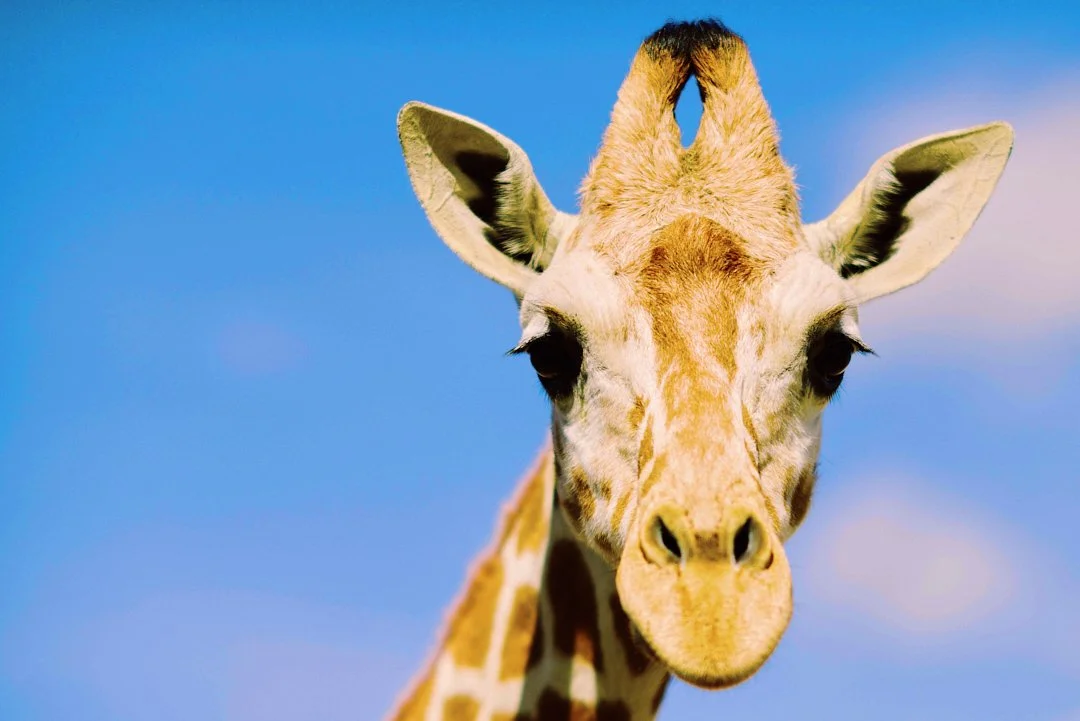
After that, she feeds the giraffe. They are beautiful to watch. They eat hay that has been produced specifically for animals that eat from the trees. Another type of hay is made for animals that eat from the ground. The giraffe’s diet is supplemented with pellets. Giraffes are kind and gentle animals. They can and will take food from your hand, using their large purple tongue.
Photos by Hannah Haefele

After feeding the giraffe, Molly goes up the road to find the Aoudads. After she feeds them, she has to collect their fresh feces (if there is any) because they have to run tests to see if they have any diseases or parasites. After that, she might go to the Clinic, to her office, or anywhere else she has to be.


Photos by Fossil Rim

Ask the Director of Animal Care, Mr. Adam Eyres
-
I am the director of Animal Care. My main job is to make sure that the teams (avian, carnivore, and hoofstock) all have everything they need to do their jobs of taking care of the animals. We make sure everyone is fed, healthy, housed, and that the right animals are all together to produce the best animals for conservation.
-
I got a degree in Biology and went to work for a zoo in Washington state. I also did an internship which is very important to get into this business. Lots of people want to work with animals so it's very competitive and everyone needs an edge to get in. I was working with red wolves when Fossil Rim decided they wanted to be involved in this project. I went with my boss at the time to catch the ten wolves that would come to Fossil Rim. While my boss was here, he found out that Fossil Rim was looking to hire some new staff. He suggested that I would fit in here.
-
Working with the animals is the best part. Working with the humans is the worst part! We are also very involved in conservation and that is very rewarding.
-
Because rhinos rock and ostriches are jerks, of course! No, I like rhinos because they are so prehistoric looking (and in fact, have been around for about 50 million years). But I also like that they tend to be gentle giants and are very tractable and we can do a lot of work with their cooperation--blood draws, ultrasounds, skincare, etc. Ostriches are pretty prehistoric too, but they're just so stupid! And that shouldn't be a factor in if I like them or not, but they are a challenge to manage because of that. We have a female here named Trouble because she is always injuring herself. She's nearly killed herself at least three times. She almost cut her own head off once!
-
There are a lot of things that people can do to get into this field. They are largely volunteers, but if people really want to work with animals, they should volunteer at kennels, vet clinics, zoos, and anywhere where people are doing animal care. There is a big variety in the animal industry now--not everyone that works with animals has to be a vet. Animal care is a wide field (and there are a lot of positions available), there is also field work, conservation work, and jobs in the country of origin (like working with Scimitar-horned oryx in Chad, or Tapirs in South America).